



Who
Should Attend
Managers and teams actively redesigning how work is divided between people and AI tools.
What participants can do by the end
Describe the three human-AI collaboration models, AI as tool, AI as partner, AI as autonomous agent, and identify which applies to their own current work. Apply a task delegation framework, based on volume, structure, exception rate, accountability, and data sensitivity, to determine what’s appropriate for AI, what needs collaboration, and what needs human-only judgement. Differentiate effective from ineffective human-AI collaboration by examining five documented GCC case studies against a structured quality rubric. Examine their own workflow for collaboration design gaps, over-reliance or under-utilization, and propose two specific adjustments. Identify who owns the decision when AI contributes to a consequential outcome.
How the three days build
Day one covers the three collaboration models in practical terms, what humans do that AI genuinely cannot, moral judgement, lived experience, cultural empathy, and builds a task delegation framework the participant tests against their own team’s edge cases. Day two examines five GCC collaboration case studies against a five-dimension quality rubric to see what worked and what failed, then dives into why humans over-trust AI, automation bias, the authority effect, cognitive offloading, and equally, why humans sometimes ignore valid AI recommendations they shouldn’t. Day three tackles accountability directly, who owns a decision when AI provided the recommendation, and how to document the human contribution to an AI-augmented decision in a way that holds up under scrutiny.
Teams leave with a shared, defensible answer to a question most are still improvising.
Why this matters before anything else:
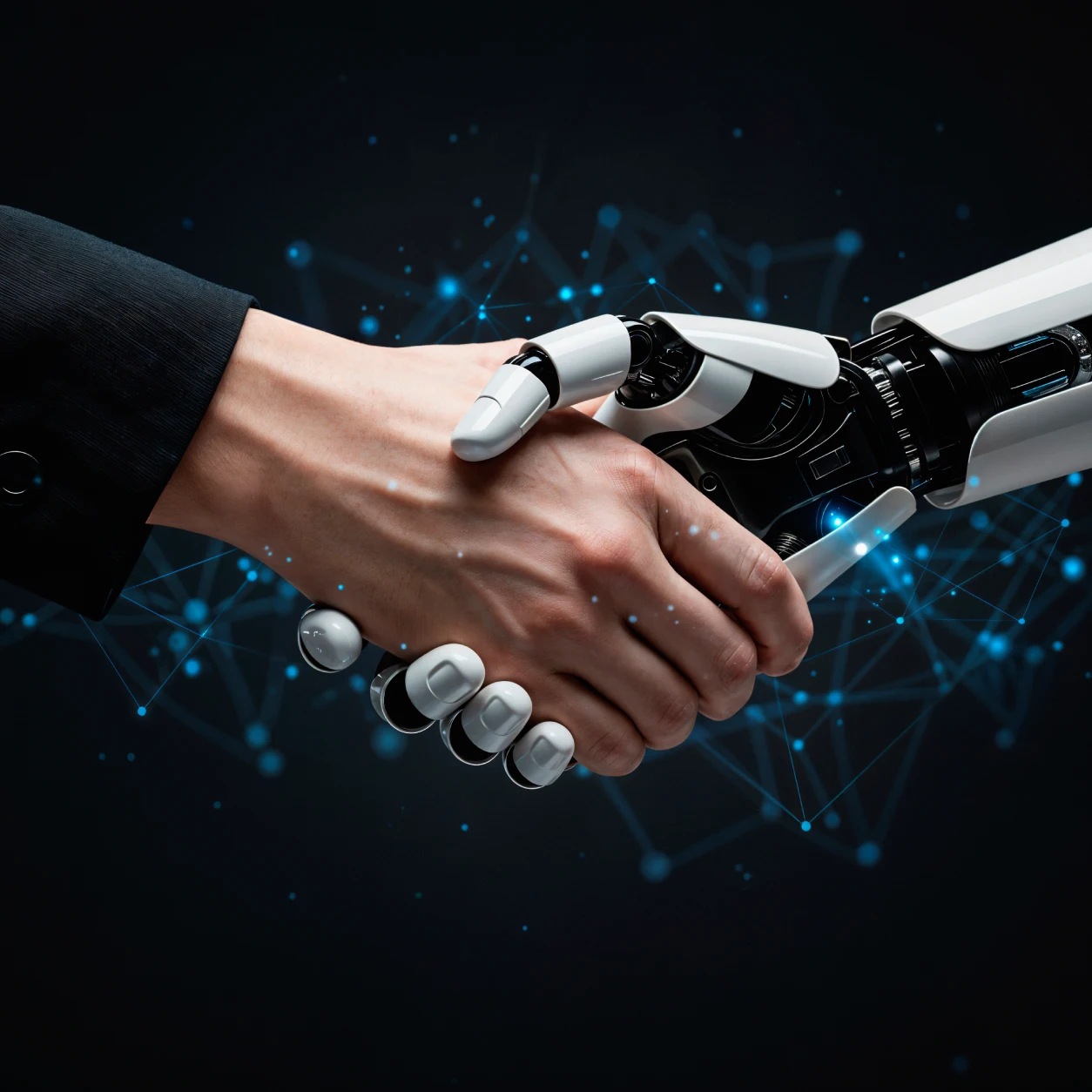
As AI tools get more capable, the collaboration question only gets harder, not easier, because the temptation to hand over more of a task grows even where accountability shouldn’t move with it. Teams that never build a shared delegation framework end up with inconsistent practice, one person double-checking everything AI touches, another trusting it blindly, and no shared standard for either. This program gives the team a common language for that decision, so collaboration design becomes deliberate instead of accidental, and repeatable across every new AI tool the team adopts afterward.
Trusted by 2000+ L&D Professionals
Empowering organizations with tailored learning and development solutions.